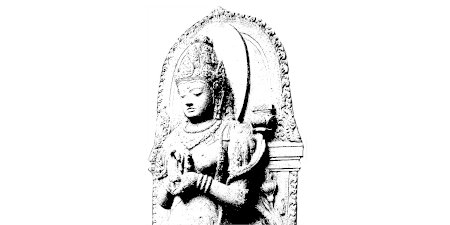
The Heart Sutra
प्रज्ञापारमिताहृदयसूत्रम्। Opening Homage अवाच्ये अचिन्त्ये प्रज्ञापारमितेऽवर्णनीये । avācye acintye prajñāpāramite’varṇanīye | Beyond words, beyond thought, beyond expression, O Prajñāpāramitā !
Read More
प्रज्ञापारमिताहृदयसूत्रम्। Opening Homage अवाच्ये अचिन्त्ये प्रज्ञापारमितेऽवर्णनीये । avācye acintye prajñāpāramite’varṇanīye | Beyond words, beyond thought, beyond expression, O Prajñāpāramitā !
Read More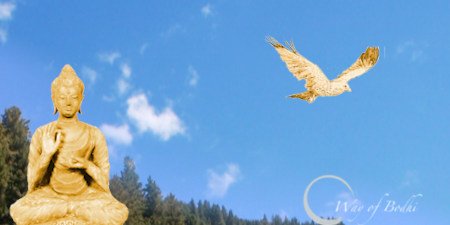
A bird in flight is a commonly used simile in the teachings of the Buddha in various contexts. At different contexts this simile indicates tracelessness, groundlessness, unobstructedness and effortlessness.
Read More
In Kakacupama Sutta and Maha-Rahulovada Sutta, the Buddha teaches how to maintain the attitude of boundless lovingkindness (maitri/ metta) and compassion (karuna) to all beings, as the unshaken basis for one’s relationship with the world. The Tathagata shows how pervading the world with this deep sense of kindness and compassion lead us to experience profound peace, patience and openness.
Read More
In Diamond Sutra and the Alagaddupama sutta, the Buddha taught that his teachings are like a raft, to be used for a purpose and to be left aside without clinging on to. The raft simile also summarizes the meaning of the three turnings into one line. Here, we shall see how the four types of clinging are utterly abandoned using the three turnings of the teaching.
Read More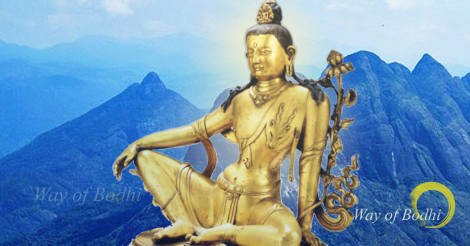
On the magnificent play of compassion, Bodhisattva Avalokitesvara – a commentary to the Avalokitesvara section of Gandavyuha Sutra.
Read More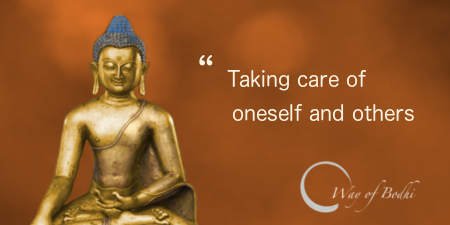
On Sedaka Sutta: One takes care of oneself by practicing mindfulness. One takes care of others by practicing mindfulness. Taking care of oneself, one takes care of others. Taking care of others, one takes care of oneself.
Read More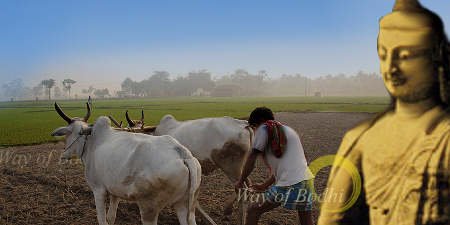
In kasibharadvaja sutta, the Buddha explains the way of cultivating mind by using the simile of ploughing the field. Like the farmer Bharadvaja, even today, people confuse meditation to be simply idling. This sutra shows how it should be as involved and engaged as farming.
Read More
A Commentary on Mucalinda Sutta. The gatha expressed in this sutra teaches four ways to blissfully protect mind and remain in proper composure. Here is an explanation of it as the stages of the path as well as powerful ways to regain composure while engaging in daily life.
Read More
The Buddha used the examples of monkeys in Makkata Sutta to show what the improper postures to wander are and what the proper posture are.
Read More